




Medically reviewed by Donna Monthei, RDN, LD | Published September 16, 2026
If you’ve Googled “how to improve gut health,” you’ve probably noticed that there is no shortage of advice.
And whatever you do, apparently you need to be making a daily smoothie containing 17 ingredients you’ve never heard of.
- Eat more fiber.
- Take a probiotic.
- Eat fermented foods.
- Drink more water.
- Cut out sugar.
- Try a low-FODMAP diet.
- Take digestive enzymes.
- Eat 30 plants a week.
- Avoid seed oils.
- Don’t eat after 7 p.m.
- Take this powder.
- Buy that supplement.
It’s confusing!
The good news is that improving your gut health does not require doing everything.
In fact, if you’re dealing with bloating, constipation, diarrhea, reflux, gas, abdominal pain, or other chronic digestive symptoms, doing more “healthy gut” things isn’t necessarily the answer.
The better question is:
What does YOUR gut actually need?
Quick answer: How do you improve gut health?
Start with the basics: eat a varied, fiber-rich diet, stay hydrated, move your body regularly, prioritize sleep, and manage stress. Fermented foods may also support a healthy gut microbiome, while probiotics and restrictive diets aren't automatically necessary for everyone. If you're still experiencing digestive symptoms despite doing the “right” things, it may be time to stop adding more and start figuring out why.
What does “gut health” actually mean?
Your gut is much more than the place your food goes after you swallow it.
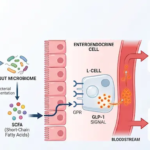
Your gastrointestinal tract is home to a massive community of microorganisms—including bacteria, fungi and other microbes—that make up your gut microbiome.
Your digestive system also plays important roles in nutrient absorption, immune function, intestinal barrier function and communication with the brain through the gut-brain axis.
That’s why gut health can affect much more than whether you have a comfortable bowel movement.
And yes, we’re going to talk about bowel movements.
We’re gut health people. Poop is kind of our thing.
A healthy gut isn’t necessarily one that never makes a noise or produces the occasional impressive amount of gas. It’s a digestive system that is functioning well for you—with relatively comfortable digestion, appropriate bowel regularity and the ability to tolerate a reasonably varied diet.
So, how do you improve gut health?
Start with the basics—but don’t stop there.
1. Eat more variety—not just more fiber
You’ve probably heard that fiber is good for gut health, and that’s absolutely true. But there’s a difference between getting enough fiber and simply trying to cram as much fiber into your diet as possible. Want to know why more fiber isn’t always better? Check out my article, Fibermaxxing: Fiber Diversity, Not Just Quantity.
Fiber provides fuel for many of the microorganisms living in your colon, and eating a variety of plant foods can help support a diverse microbiome.
Current gut-health advice often focuses on increasing fiber, and for good reason. Most people aren’t getting enough.
But here’s where I want you to slow down.
More fiber isn’t automatically better for everyone.
If you currently eat very little fiber and suddenly decide you’re going to “fibermaxx” your way to 40 or 50 grams a day, your gut may have some opinions about that decision.
Those opinions may include bloating, cramping and enough gas to make you question your life choices.
Instead, gradually increase fiber and pay attention to how your body responds.
Think:
- Vegetables
- Fruits
- Beans and lentils
- Nuts and seeds
- Whole grains
- Root vegetables
- Other plant foods you tolerate well
And don’t obsess over eating the exact same “top 10 gut-healthy foods” every day.
Variety matters.
Different plants provide different types of fiber and other compounds that interact with the microbiome in different ways.
If you have significant bloating, constipation, diarrhea or abdominal pain, however, don’t assume that your symptoms mean you simply need more fiber.
Sometimes the type, amount or timing of fiber matters—and sometimes there’s something else going on that needs to be addressed first.
2. Include fermented foods—but don’t treat them like medicine.
Fermented foods are another popular answer to the question, “How can I improve my gut health naturally?” But fermented foods and probiotic supplements aren’t quite the same thing—and it’s worth understanding the difference.
Curious about the difference? I explain how probiotics and fermented foods compare here.
Foods such as:
- Yogurt with live cultures
- Kefir
- Sauerkraut
- Kimchi
- Tempeh
- Miso
- Other traditionally fermented foods
can be excellent additions to a varied diet.
Research has also found that diets high in fermented foods can increase microbiome diversity and affect markers of inflammation. In one Stanford clinical trial, a 10-week fermented-food diet increased microbiome diversity and decreased several markers of inflammation in healthy adults.
But fermented foods aren’t magic.
And if sauerkraut makes you feel like there’s a small marching band living in your abdomen, you don’t have to force yourself to eat it because Instagram told you it’s good for your microbiome.
Your individual tolerance matters.
If you’re interested in experimenting with fermented foods, you don’t have to start with a giant jar of sauerkraut. You can start with something as simple as fermented applesauce.
3. Don’t assume you need a probiotic
This one may surprise you.
Probiotics are not automatically the answer to every gut problem.
The word “probiotic” actually describes a broad category of microorganisms, and different strains can have very different effects.
That means asking, “Which probiotic is best?” isn’t really the right first question.
A better question is:
Best for what?
The American Gastroenterological Association has noted that evidence for probiotics varies substantially by gastrointestinal condition and specific formulation. It does not recommend routine probiotic use for most digestive conditions based on the available evidence.
That doesn’t mean probiotics are useless.
It means context matters.
The probiotic that helped your neighbor’s constipation isn’t necessarily the probiotic you need for bloating.
And if you’re already experiencing significant digestive symptoms, adding supplement after supplement without understanding what’s happening can make it much harder to figure out what’s actually helping.
4. Stay hydrated—and don’t underestimate the boring stuff
I know.
You wanted a secret gut-health hack and I’m about to tell you to drink water.
But hydration really does matter for digestion, particularly when constipation is an issue.
Your colon absorbs water from stool, so inadequate fluid intake can contribute to harder stools in some people.
Hydration also works alongside fiber. Increasing fiber while barely drinking anything is a little like adding more traffic to a road without widening the road.
Things may not move as smoothly.
Regular movement can also support gastrointestinal motility, while adequate sleep and stress management are important parts of maintaining healthy digestive function. Major medical centers continue to identify diet, physical activity, sleep and stress management as foundational components of digestive health.
None of this is particularly sexy.
It is, however, useful.
5. Pay attention to your symptoms—but don’t diagnose yourself from them
Our patients routinely present with a variety of digestive complaints:
- Bloating.
- Gas.
- Constipation.
- Diarrhea.
- Reflux.
- Abdominal pain.
- Changes in bowel movements.
These symptoms are information.
But they aren’t necessarily diagnoses.
For example, bloating doesn’t automatically mean you have SIBO. Constipation doesn’t automatically mean you need magnesium. Gas doesn’t automatically mean you have a food intolerance.
And diarrhea certainly doesn’t mean your gut needs another random supplement.
Symptoms are clues, not conclusions.
That’s an important distinction.
If you’ve been experiencing persistent digestive symptoms, the goal shouldn’t simply be to suppress the symptom with the latest gut-health trend.
The goal should be to understand what may be contributing to it.
6. Be careful with restrictive diets
This is especially important if you have IBS.
The low-FODMAP diet can be extremely helpful for some people with IBS. Research supports its ability to reduce symptoms such as bloating, abdominal discomfort and altered bowel habits.
But it was never designed to be a forever diet.
The Monash University approach consists of three phases: a short-term restriction phase, systematic reintroduction and then personalization. The goal is ultimately to expand the diet as much as possible while maintaining symptom control.
That’s an important distinction.
If you’ve been living on a tiny list of “safe foods” for years because you’re afraid of what will happen if you eat anything else, that’s not the finish line.
The goal isn’t to become better and better at avoiding food.
The goal is to understand your individual tolerance and build the most varied, nutritious diet your gut can comfortably handle.
Low-FODMAP isn’t the only dietary approach worth considering, and it isn’t necessarily the right fit for everyone. The goal isn’t to collect a longer and longer list of foods you can’t eat—it’s to understand which foods, dietary patterns, or other factors are actually contributing to your symptoms.
I’ve also written about another approach to identifying food-related symptoms—and how it compares with a low-FODMAP diet—in IgG Food Testing Beats a Low-FODMAP Diet.
7. Stop assuming that every gut problem is caused by what you ate yesterday
This may be the biggest mistake I see.
Someone develops bloating and immediately starts eliminating foods. Then constipation appears, so they add a fiber supplement. Then the fiber makes them more bloated, so they stop eating fiber.
Then they buy a probiotic.
Then digestive enzymes.
Then a greens powder.
Then a “gut cleanse.”
At some point, they’re taking 14 supplements and eating six foods.
And they’re still bloated.
Sound familiar?
Sometimes the issue isn’t that you’re missing the perfect gut-health food.
Sometimes you need to take a step back and ask:
Why is my gut reacting this way in the first place?
Depending on the person, there can be many potential contributors to chronic digestive symptoms—including altered motility, dietary factors, medication history, infections, bacterial overgrowth, digestive capacity, stress, hormonal changes and other gastrointestinal conditions.
This is where personalized assessment becomes much more useful than another generic list of “10 foods for gut health.”
So, how do you improve YOUR gut health?
Here’s the part I wish more gut-health advice would emphasize:
There isn’t one universal gut-health protocol.
The habits that support a healthy digestive system are fairly straightforward:
Eat a varied diet.
Get adequate fiber.
Stay hydrated.
Move your body.
Sleep.
Manage stress.
Include foods you tolerate well.
But if you’re already doing those things and you’re still dealing with chronic bloating, constipation, diarrhea, reflux, abdominal discomfort or other digestive symptoms, simply adding more “healthy” foods and supplements may not solve the problem.
That’s when I start asking different questions.
When did your symptoms begin?
What was happening in your health or life around that time?
What makes your symptoms better or worse?
What have you already tried?
How does your digestive system actually function from day to day?
And, when appropriate, is there more information we can gather to help determine what might be contributing to the problem?
Because your gut isn’t a checklist.
And you don’t get bonus points for taking the most supplements.
The Bottom Line
If you’re wondering how to improve your gut health naturally, start with the fundamentals: eat a varied diet, include fiber-rich foods as tolerated, stay hydrated, move your body, prioritize sleep and manage stress. Fermented foods can be a useful addition if you enjoy and tolerate them, but you don’t automatically need a probiotic, restrictive diet or supplement regimen.
And if you’ve been doing all of those things and your gut still isn’t happy, don’t assume the answer is to do more.
Sometimes the next step is figuring out why.
Your digestive symptoms are giving you information. They may not tell you exactly what’s going on, but they can help point you toward the questions that need to be asked.
The goal isn’t to follow someone else’s perfect gut-health protocol. It’s to understand what YOUR gut needs.
Frequently Asked Questions About Improving Gut Health
What is the fastest way to improve gut health?
There isn’t one magic food or supplement that can transform your gut health overnight. The best place to start is with the basics: eat a varied diet, gradually increase fiber if needed, stay hydrated, move regularly, get adequate sleep and manage stress.
If you’re experiencing ongoing digestive symptoms, however, simply adding more “gut-healthy” foods may not be the fastest route to feeling better. Identifying what’s contributing to your symptoms can be much more useful than continuing to add things to your routine.
Why is my gut still unhealthy if I eat a healthy diet?
Eating a healthy diet is important, but it doesn’t guarantee that you’ll have a symptom-free digestive system. Persistent bloating, constipation, diarrhea, reflux or abdominal discomfort can have many possible contributors that aren’t solved simply by eating more vegetables or taking another supplement.
If you’re already eating well and your gut still isn’t happy, the answer may not be to do more. It may be to figure out what’s actually driving your symptoms.
That’s where personalized nutrition and, when appropriate, further evaluation or testing can become useful.
How can I improve my gut health naturally?
A healthy gut starts with the fundamentals. Eat a variety of plant foods, include fiber-rich foods as tolerated, stay hydrated, incorporate fermented foods if you enjoy and tolerate them, exercise regularly, prioritize sleep and find ways to manage stress.
You don’t need a complicated supplement routine to support your gut microbiome. In fact, if you’re experiencing digestive symptoms, adding multiple supplements at once can make it harder to determine what’s actually helping—or making things worse.
What foods are best for gut health?
There isn’t one list of “best” gut-health foods that works for everyone. In general, a diverse diet containing vegetables, fruits, legumes, whole grains, nuts, seeds and other minimally processed plant foods provides a variety of fibers and other compounds that can support the gut microbiome.
Fermented foods such as yogurt, kefir, sauerkraut, kimchi, miso and tempeh can also be part of a gut-friendly diet.
But here’s the important part: a food can be healthy and still not agree with your particular gut. If a supposedly gut-healthy food consistently causes bloating, pain or other symptoms, that’s worth paying attention to rather than forcing yourself to eat it because the internet says it’s healthy.
How long does it take to improve gut health?
There’s no universal timeline. Some people notice improvements in digestive symptoms within days or weeks after making an appropriate dietary or lifestyle change, while other situations take considerably longer to address.
Your starting point matters, as does what’s actually contributing to your symptoms. If you’ve had digestive problems for months or years, it may take more than adding a few servings of vegetables to your diet to determine what’s going on.
And remember: feeling better and changing your gut microbiome aren’t necessarily the same thing. Both are important, but they shouldn’t be treated as interchangeable goals.
Are probiotics good for gut health?
They can be—but probiotics aren’t a universal solution for gut health.
Different probiotic strains and formulations can have different effects, and evidence varies depending on the specific digestive condition and probiotic being used. That means the question isn’t simply “Which probiotic is best?” It’s “Is a probiotic appropriate for my particular situation, and if so, which one?”
If you’re already taking several supplements and still experiencing digestive symptoms, adding another probiotic may not be the most useful next step.
Is fiber always good for gut health?
Fiber is an important part of a healthy diet and can support the gut microbiome, but more isn’t always better.
Increasing fiber too quickly can cause bloating, gas and abdominal discomfort, particularly if your current intake is low or you have certain digestive conditions. Some people also tolerate particular types of fiber much better than others.
If you’ve been told to “just eat more fiber” but doing so makes your symptoms worse, that’s a good reason to look more closely at the type, amount and timing of fiber rather than assuming you simply need more.
What are the signs of poor gut health?
Digestive symptoms such as persistent bloating, abdominal discomfort, constipation, diarrhea, excessive gas, reflux or changes in bowel habits can indicate that something isn’t working well in your digestive system.
But these symptoms don’t tell you exactly why they’re happening. Bloating, for example, can have many possible contributors, and it doesn’t automatically mean you have SIBO, a food intolerance or a “damaged gut.”
Think of symptoms as clues, not conclusions. Persistent or concerning symptoms deserve appropriate medical evaluation rather than self-diagnosis based on social media or a Google search.
Can you improve gut health if you have IBS?
Absolutely. But improving gut health with IBS isn’t necessarily about eating more of every food that’s considered “healthy.”
A low-FODMAP diet can reduce symptoms for many people with IBS, but it is intended to be a structured, temporary process followed by reintroduction and personalization—not a permanent list of foods to avoid.
For someone with IBS, the goal should ultimately be to understand individual triggers and tolerances while maintaining as much dietary variety and nutritional adequacy as possible.
Not sure where to start?
If you’re dealing with digestive symptoms and aren’t sure what to focus on first, our free Gut Health Quiz can help you identify what’s most likely getting in the way and give you a starting point for where to focus.
____________________________________________________________________________
This article is for educational purposes and is not a substitute for individualized medical care. Persistent, severe, or new digestive symptoms should be evaluated by an appropriate healthcare professional.