

By Donna Monthei, RDN, LD | Originally Published: February 18, 2026 | Medically Reviewed on June 19, 2026
For years, the “holy grail” of gut health was finding a way to not just soothe the digestive tract, but to actually regenerate the intestinal lining. While many people reach for bone broth or glutamine, a landmark 2025 study from MIT has identified a new “master key” for cellular repair: an amino acid called Cysteine.
If you are struggling with “leaky gut,” chronic bloating, or food sensitivities, understanding the “Cysteine Signal” could be your roadmap to finally activating your body’s internal repair crew.
How Cysteine Repairs Your Gut (The Science)
Your gut lining is a delicate barrier, only one cell thick, that completely replaces itself every 3 to 5 days. When this process slows down due to stress, toxins, or aging, “gaps” develop in your defense.
We call this leaky gut or intestinal permeability and it’s linked to symptoms like:
- Fatigue
- Constipation
- Bloating
- Diarrhea
- Cravings, especially for carbs or sugar
- Skin conditions like acne, eczema, hair loss, and rashes
- Autoimmune diseases such as rheumatoid arthritis, lupus, celiac disease, Crohn’s disease and/or Hashimoto’s thyroiditis.
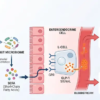
Research published in the journal Nature reveals that cysteine acts as a biological signal that commands intestinal stem cells to multiply and rebuild. This happens in a sophisticated three-step loop:
- The Fuel: Cysteine enters gut cells and converts into Coenzyme A.
- The Message: Immune cells pick up this signal and release a healing protein called Interleukin-22 (IL-22).
- The Repair: IL-22 acts as a direct command to your Lgr5+ stem cells to start building new, healthy tissue immediately.
Essentially, cysteine acts as a nutrient for the gut, boosting the function of intestinal stem cells that rebuild damaged tissue.
Phase 1: Dietary “Direct Hit” Sources
Research shows that getting cysteine directly from your food is significantly more effective for gut repair than cysteine produced by your liver.
Cysteine is found in many high-protein foods, including meat, dairy products, legumes, and nuts. The body can also synthesize its own cysteine, by converting the amino acid methionine to cysteine — a process that takes place in the liver.
However, cysteine produced in the liver is distributed through the entire body and doesn’t lead to a buildup in the small intestine the way that consuming cysteine in the diet does.
If you’re repairing a “leaky gut” or you just want to keep your gut lining nice and healthy, then you want cysteine concentrated in the gut, so eating it will be more beneficial.
Cysteine has been previously shown to have antioxidant effects, which are also beneficial, but the MIT study is the first to demonstrate its effect on intestinal stem cell regeneration. The researchers now hope to study whether it may also help other types of stem cells regenerate new tissues.
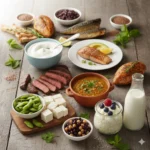
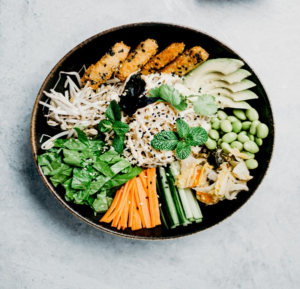
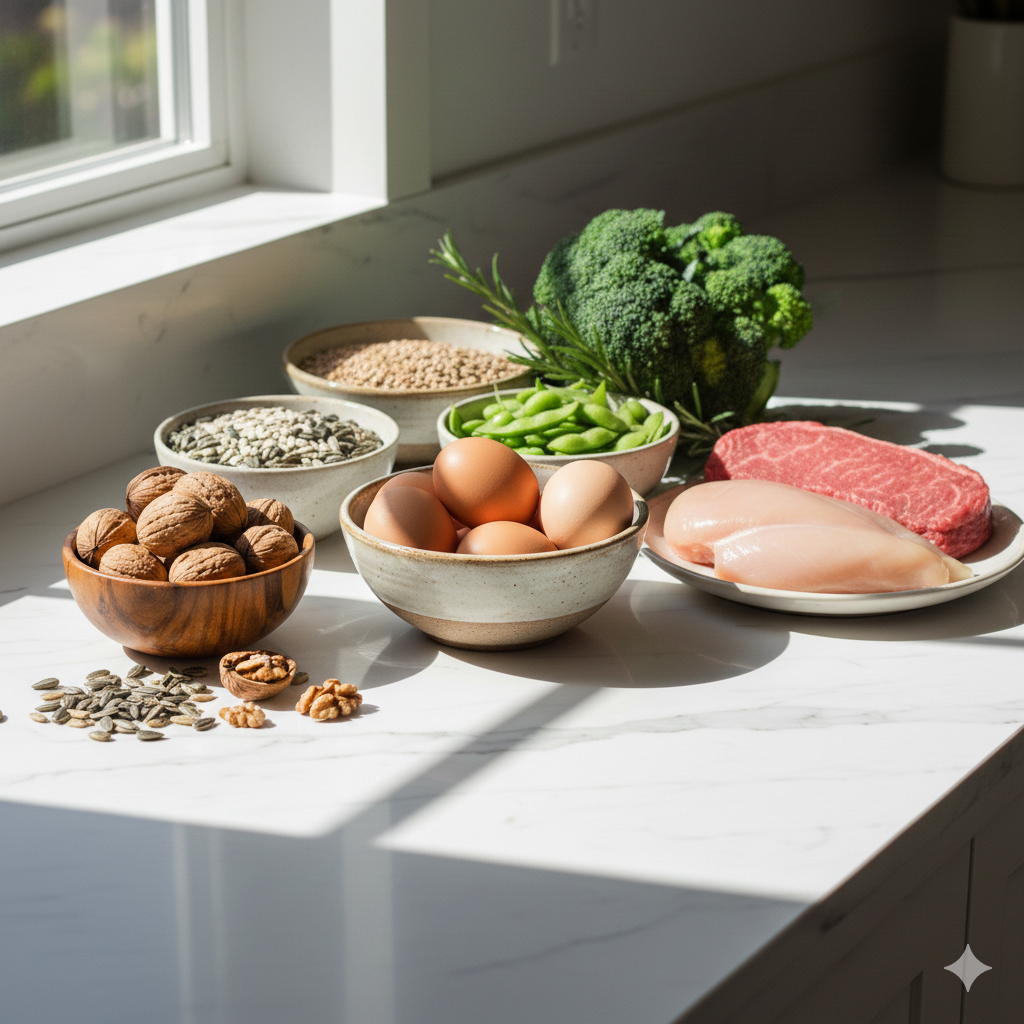
Cysteine-rich foods are primarily high-protein, animal-based products such as pork, chicken, turkey, beef, and eggs, along with dairy (yogurt, cheese), and sunflower seeds. These foods support glutathione production, reducing oxidative stress. Vegetarian options include lentils, soy products (tofu, edamame), whole grains (oats, quinoa), and nuts.
To get more cysteine in your diet, focus on these sources:
- Meat & Poultry: Pork (especially cured ham), beef, chicken, and turkey.
- Fish & Seafood: Tuna, mussels, salmon, and shrimp.
- Eggs: Yolks are especially rich.
- Dairy Products: Yogurt, cottage cheese, and Swiss cheese.
- Legumes & Seeds: Sunflower seeds, legumes (especially lentils, split peas, and chickpeas), and soy products (tofu, roasted soy)
- Nuts: Cashews, black walnuts, and pecans
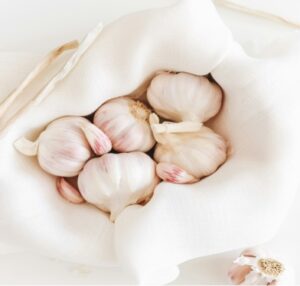
- Grains & Other: Oats, wheat germ, granola, and garlic
Phase 2: Supplemental & Lifestyle Support
Sometimes diet alone isn’t enough, especially when recovering from severe gut damage.
- The NAC Strategy: N-acetylcysteine (NAC) is a stable precursor to Glutathione, your body’s master antioxidant. Research indicates that NAC helps “shield” newly formed cells from oxidative stress so they can mature into a strong barrier. Clinical protocols often utilize 600mg to 1,200mg daily.
- Remove “Repair Blockers”: You cannot rebuild a house while someone is still throwing stones at the windows. To let the cysteine signal work, it’s best to minimize industrial seed oils (canola/soybean), ultra-processed foods, and chronic stress, since these are known to damage the gut lining and create a pro-inflammatory environment, directly opposing cysteine’s healing action.
A Sample “Gut Repair” Day
- Morning: 3 soft-boiled eggs with sautéed greens and onions.
- Lunch: Slow-cooked grass-fed beef stew with mineral-rich root vegetables and lentils.
- Afternoon: A cup of glycine-rich bone broth (the “mortar” for the “bricks” cysteine is building).
- Evening: Wild-caught salmon or lamb chops with steamed broccoli.
Stop Guessing, Start Healing: Find Your Root Cause
Healing your gut is no longer a mystery, but even the best repair protocol works better when you know exactly what you’re up against.
While cysteine provides the “bricks and mortar” for your gut lining, hidden imbalances—like parasites, bacterial overgrowth (SIBO), or yeast—can act as constant “repair blockers.”
Ready to find the root cause of your GI symptoms? At EverVital Nutrition, we specialize in the GI-MAP Gut Microbiome Test. This gold-standard diagnostic tool allows us to:
- Identify specific pathogens and bacterial imbalances.
- Measure your actual digestive capacity and immune response.
- Determine if leaky gut is a concern for you.
- Create a personalized protocol based on your unique gut landscape.
Don’t just tread water with your health.