



Think you might have gut parasites symptoms but aren’t sure? You’re not alone. Intestinal parasitic infections affect over one billion people worldwide, and many don’t realize they’re infected. While we often associate parasites with international travel, in the United States, infections from protozoa—especially Giardia—are surprisingly common, and pinworms are the most common intestinal worm affecting Americans.
In fact, this nasty bug, Giardia, is one of the parasites that I’ve personally had… acquired in a good ol’ Austin lake.
If someone (maybe even me!) has told you that you might have parasites, you’re probably feeling some combination of horrified, grossed out, and desperately curious to know if it’s true. Understanding gut parasites symptoms and getting proper testing is an essential piece of your digestive health puzzle.
Parasites are organisms that live in or on a host organism—in this case, you—and survive by feeding off their host. Usually, parasites take up residence in your GI tract and can range from microscopic single-celled protozoa to visible worms that can grow several feet long. The good news? Intestinal parasites are treatable with the right approach. The bad news? They can cause significant discomfort and health issues if left unaddressed.
How Do People Get Intestinal Parasites?
Before diving into gut parasites symptoms, let’s talk about how these unwelcome guests make their way into your body. Parasites aren’t picky about their entry method, and you don’t have to travel to an exotic location to pick one up.
Common ways people contract parasites include:
- Contaminated water: Giardia parasites can live in streams, lakes, public water supplies, swimming pools, whirlpool spas, and wells. Even seemingly clean water sources can harbor these organisms.
- Contaminated food: Food handlers with giardia infection who don’t wash their hands well can spread parasites, and raw produce watered or washed with contaminated water can also transmit infection.
- Person-to-person contact: When you touch a surface contaminated with parasite eggs and put your hands to your mouth, you can become infected. This is especially common in childcare settings.
- Poor hygiene practices: Not washing hands after using the restroom, changing diapers, or handling raw meat increases transmission risk.
- Contact with soil: Some parasites live in soil contaminated with human or animal feces and can penetrate your skin or be ingested.
- Undercooked meat: Tapeworms and other parasites can be present in raw or undercooked beef, pork, and fish.
The reality is that approximately 25% of the world’s population has an infection related to an intestinal parasite, and in tropical and subtropical areas with limited access to clean water and sanitation, that number is as high as 50%.
16 Common Gut Parasites Symptoms You Shouldn’t Ignore
If you suspect you might have intestinal parasites, there are telltale signs of parasites in humans to watch for. The challenge? These gut parasites symptoms can overlap significantly with other digestive issues like SIBO, Candida overgrowth, food intolerances, or bacterial imbalances.
Common symptoms of parasites in humans include:
- Abdominal pain and cramping
- Chronic bloating and gas
- Diarrhea (often watery or greasy, lasting weeks)
- Constipation or alternating bowel patterns
- Nausea and vomiting
- Unexplained weight loss despite normal eating
- Persistent fatigue and weakness
- Anal itching (particularly with pinworms, worse at night)
- Visible worms or eggs in stool
- Nutrient deficiencies and anemia (especially iron deficiency)
- Skin issues like rashes, hives, or eczema
- Food sensitivities that seem to worsen
- Brain fog and difficulty concentrating
- Sleep disturbances and insomnia
- Muscle and joint pain
- Teeth grinding at night (bruxism)
Here’s the tricky part: it is entirely possible to have intestinal parasites but no symptoms at all, as healthcare experts believe that not everyone will have the same signs or react the same way to a parasite.
Additionally, accumulating evidence from parasite-screening studies reveals that several protozoans and helminths previously thought to be pathogenic are highly frequent in the gut microbiome of healthy individuals, including some protozoans such as Giardia, Entamoeba, Dientamoeba, and Blastocystis. This means you could test positive for certain parasites without having any gut parasites symptoms, and the significance of that finding is still being researched.
The problem with this long list of potential symptoms is that it’s really general, isn’t it? Similar symptoms can be caused by H. pylori, histamine-producing bacteria, food intolerances, or even Candida.
And you can see from our list of gut parasites symptoms, your digestive health impacts your entire body. Whether you have parasites or another gut imbalance, the foods you eat and how they interact with your microbiome is a huge factor in how you feel on a daily basis.
Common Types of Gut Parasites
Not all intestinal parasites are created equal. Understanding which type you might have is crucial for effective treatment. They fall into two main categories: protozoa (single-celled organisms) and helminths (worms).
Protozoa (Single-Celled Parasites)
Giardia lamblia: One of the most common causes of waterborne disease in the United States, causing gut parasites symptoms including stomach cramps, bloating, upset stomach, and loose stools that may last 2 to 6 weeks.
Blastocystis hominis: The most common protozoan in human fecal samples, with prevalence much higher in developing countries (about 50%) than in developed countries (about 20%). Interestingly, the presence of Blastocystis in the gut has been associated with greater bacterial diversity (a marker of healthy gut microbiome), and a decrease in its abundance has been associated with IBS and IBD.
Cryptosporidium: Can cause severe watery diarrhea and is particularly dangerous for immunocompromised individuals.
Entamoeba histolytica: Can cause amoebic dysentery with bloody diarrhea, though many infected people remain asymptomatic.
Helminths (Intestinal Worms)
Pinworms (Enterobius vermicularis): The most common intestinal worm in the U.S., these thread-like worms spread when you touch a surface contaminated with pinworm eggs and put your hands to your mouth. The classic symptom is anal itching at night when female worms lay eggs.
Roundworms (Ascaris lumbricoides): The most common intestinal parasite infection globally, affecting about 1 billion people worldwide.
Hookworms: Infect more than 400 million people worldwide, and chronic infection can cause fatigue, abdominal pain, weight loss, anemia, and diarrhea.
Tapeworms: Can grow to considerable lengths in the intestines and compete with the host for nutrients.
Strongyloides: Particularly concerning because the parasite can persist for decades (even lifelong) if not treated due to its ability to cause autoinfection.
How to Test for Parasites: Getting an Accurate Diagnosis
Unlike some gut issues where symptoms alone guide treatment, intestinal parasites require testing for accurate diagnosis. If you’re experiencing gut parasites symptoms, here are your testing options:
Traditional Parasite Testing Methods
Stool tests (O&P test): Healthcare providers perform stool tests to look for parasite eggs in your poop, and often that’s the only test you’ll need. However, standard O&P (ova and parasite) tests can miss infections, especially if parasites aren’t actively shedding eggs when you collect the sample. Traditional O&P tests require multiple samples over several days and have a higher rate of false negatives.
Scotch tape test: For pinworms specifically, you place sticky tape around your anus in the morning to pick up any eggs that may be there. This test is highly specific for pinworm detection.
Comprehensive Stool Testing for Parasites
Modern DNA-based stool tests like the GI-MAP can detect parasites with much greater sensitivity than traditional methods. These tests identify parasitic DNA even when organisms aren’t visible microscopically, making them the gold standard for detecting gut parasites.
At EverVital Nutrition, we use comprehensive gut microbiome testing that can detect:
- Multiple species of parasites simultaneously
- Parasite load (how many organisms are present)
- Co-infections that often accompany parasites (like H. pylori or Candida)
- The overall state of your gut microbiome
- Inflammation markers and immune function
- Digestive function markers including enzyme production
This comprehensive approach means you’re not just identifying parasites—you’re addressing the entire gut ecosystem that allowed them to thrive in the first place. Read more about why we exclusively use GI-MAP gut microbiome testing.
Wondering If You Have Parasites?
Reading symptoms is one thing. Knowing what’s actually in YOUR gut is completely different.
Without testing, you’re just guessing—and guessing means more months of bloating, fatigue, and wondering why nothing seems to work.
Schedule a free gut health assessment with EverVital Nutrition and let’s get real answers. We’ll review your symptoms, discuss comprehensive testing options, and create a clear plan to identify and eliminate whatever’s causing your issues.
SCHEDULE YOUR FREE GUT HEALTH ASSESSMENT
Natural Parasite Treatment: Herbal and Botanical Options
When it comes to treating intestinal parasites naturally, herbal treatments can be as effective as pharmaceutical options for many parasites, though it is important to note that most studies on their effectiveness lack robust evidence, and many herbs show promise in laboratory settings but translating this to real-world effectiveness in humans remains uncertain.
That said, traditional herbalists have used certain botanicals for centuries with anecdotal success. Some of the most commonly used natural parasite treatments include:
The Classic Parasite Cleanse Trio: Black Walnut, Wormwood, and Cloves
This combination is perhaps the most well-known herbal parasite protocol. Black walnut, wormwood, and cloves have characteristics that allow them to weaken and expel parasites through diverse mechanisms, and when skillfully formulated, these herbs may join forces to create synergistic blends.
- Black walnut hull: Contains juglone and tannins that may have antiparasitic properties. Particularly effective as an adhesion inhibitor, helping to “unstick” parasites from intestinal walls.
- Wormwood (Artemisia): Its active compound, thujone, is believed to interfere with the parasite’s nervous system and has been used for centuries in European herbal medicine as a treatment for intestinal worms.
- Cloves: Believed to be the only herb that actually destroys almost all parasite eggs, and when used in conjunction with black walnut and wormwood, the trio breaks the parasite’s life cycles.
Other Effective Natural Parasite Treatments
Berberine-containing herbs (goldenseal, Oregon grape, barberry): Berberine has shown some promise for the treatment of parasites and was evaluated as a potential new antiparasitic drug
Oregano oil: Contains carvacrol and thymol with antimicrobial properties effective against various parasites
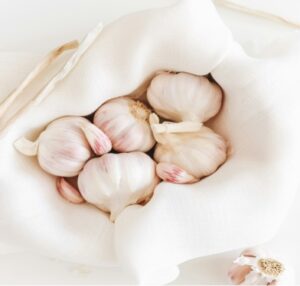
Garlic: Contains allicin with broad-spectrum antimicrobial effects; raw garlic is particularly potent
Pau d’arco: Traditional remedy with antiparasitic properties used in South American herbal medicine
Neem: Used in Ayurvedic medicine for parasitic infections for thousands of years
Grapefruit seed extract: May have antiparasitic activity against protozoa
Thyme: Contains thymol, an antimicrobial compound with antiparasitic effects
Pumpkin seed extract: Traditional remedy for intestinal worms; contains cucurbitacin that paralyzes worms
Important Note on Herbal Parasite Cleanse:
While herbal options can be gentler on your beneficial gut bacteria than pharmaceuticals, they should still be used carefully and ideally under professional guidance. Wormwood should not be used during pregnancy or for extended periods due to potential toxicity at high doses, and black walnut may cause allergic reactions in people sensitive to nuts.
Pharmaceutical Parasite Treatment Options
Conventional antiparasitic medications remain highly effective for many intestinal parasites and include:
- Metronidazole (Flagyl): Used for Giardia, Entamoeba, and other protozoa
- Tinidazole: Alternative for Giardia and amoebas with fewer side effects
- Albendazole or Mebendazole: Broad-spectrum treatments for many helminths including roundworms and hookworms
- Praziquantel: Effective against tapeworms and flukes
- Ivermectin: Used for Strongyloides and other parasites
- Nitazoxanide: Can eradicate Cryptosporidium in 6-75% of cases and may cure diarrhea in about 80% of cases within 5 days
These medications can be highly effective but may also impact beneficial gut bacteria and cause side effects. The choice between natural parasite treatment and pharmaceutical options depends on the specific parasite, severity of infection, and individual health factors.
Parasite Cleanse Diet: Foods to Eat and Avoid
What you eat has a massive impact on whether harmful organisms thrive in your gut, and parasites are no exception. A parasite cleanse diet should emphasize foods that create an inhospitable environment for these organisms while supporting your beneficial gut bacteria.
Best Foods for a Parasite Cleanse
The best foods to include when addressing gut parasites symptoms are those that have natural antiparasitic properties:
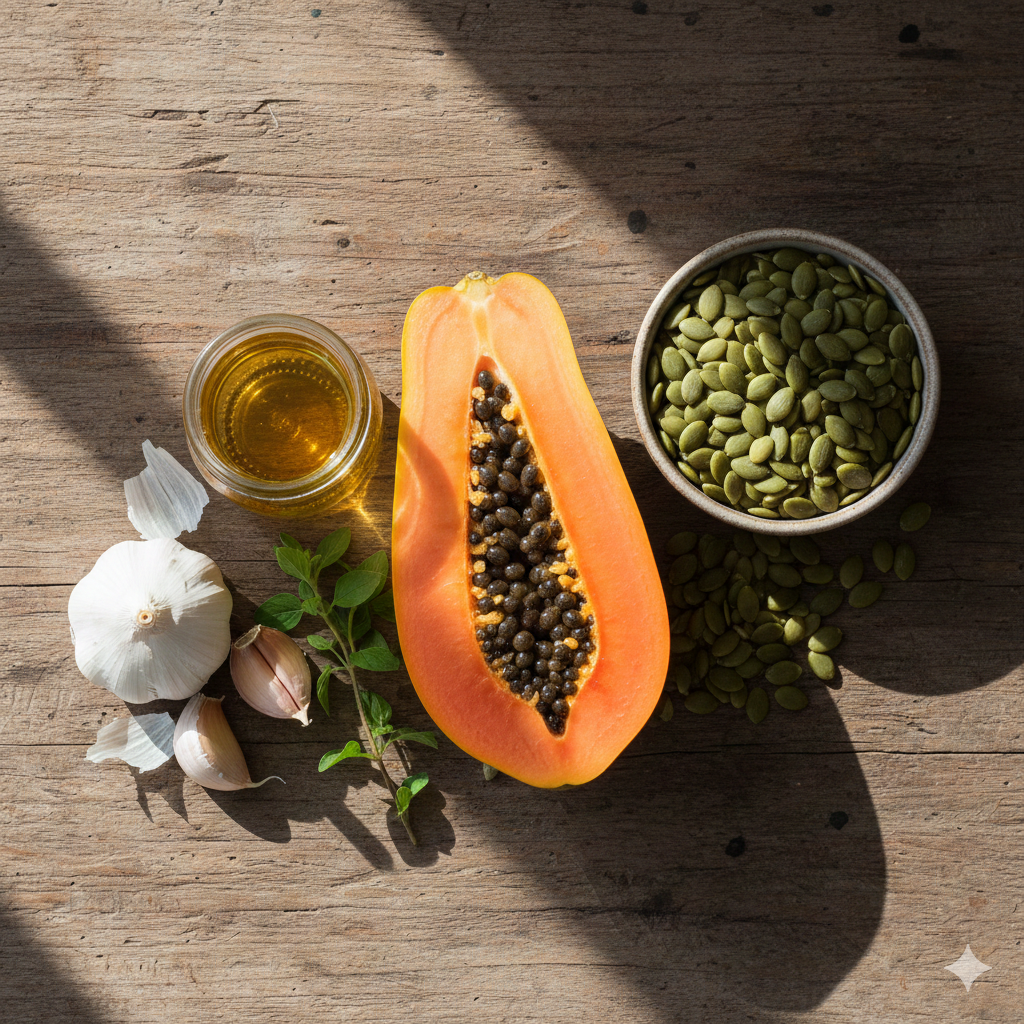
- Raw garlic: Contains allicin, a compound with powerful antiparasitic properties (aim for 2-3 cloves daily)
- Pumpkin seeds: Rich in cucurbitacin, a compound known to paralyze certain worms, making them easier to expel
- Papaya and papaya seeds: Contain enzymes like papain that may help break down parasites
- Coconut and coconut oil: Medium-chain fatty acids (especially lauric acid) have antimicrobial properties
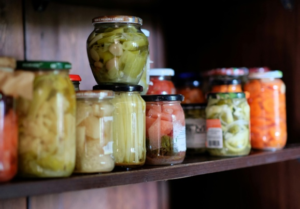
- Fermented foods: Kimchi, sauerkraut, and other fermented vegetables support beneficial bacteria that compete with parasites
- Probiotic-rich foods: Support gut health during parasite treatment
- Non-starchy vegetables: Cruciferous vegetables like broccoli, cauliflower, and Brussels sprouts provide fiber and nutrients without feeding parasites
- Polyphenol-rich foods: Berries, green tea, and colorful vegetables support gut health and have antimicrobial properties
- Bone broth: Supports gut lining repair during and after treatment
- High-quality protein: Grass-fed beef, wild-caught fish, and pastured eggs support immune function and tissue repair
- Herbs and spices: Oregano, thyme, ginger, and turmeric have natural antiparasitic and anti-inflammatory properties
Foods to Avoid During Parasite Cleanse
Just like with Candida treatment, certain foods can make parasitic infections worse:
- Refined sugars and carbohydrates: These feed many types of parasites and should be strictly avoided
- Processed foods: Lack nutrients and can weaken immune function needed to fight parasites
- Conventional dairy: Can be inflammatory and harder to digest during infection
- Alcohol: Weakens immune function and can irritate the gut lining
- Raw or undercooked meat and fish: Risk of introducing new parasites during treatment
- High-sugar fruits: While some fruits are beneficial, avoid tropical fruits high in sugar during active treatment
Eating a gut-healthy, nutrient-rich parasite cleanse diet can restore the balance of the gut microbiome and even reduce recovery time, which is why dietary changes are a crucial component of any parasite treatment protocol.
Supportive Treatments for Eliminating Parasites
Regardless of whether you choose pharmaceutical or natural parasite treatment, supporting your gut environment is crucial for successful elimination:
Probiotics: Some studies found probiotics to be marginally effective in treating intestinal parasites, and they help restore beneficial bacteria that compete with parasites for resources. Focus on multi-strain probiotics with at least 50 billion CFU during treatment.
Digestive enzymes: Help break down food thoroughly, reducing nutrients available for parasites and supporting overall digestive function
Fiber: Helps with parasite elimination through regular bowel movements; aim for 35-40g daily from vegetables and seeds
Biofilm disruptors: Many parasites hide within protective biofilms; agents like N-acetylcysteine (NAC), or black cumin seed oil can help break these down
Immune support: Vitamin C (2-3g daily), vitamin D (5000 IU), zinc (30-50mg), and other nutrients support your body’s natural defenses against parasites
Liver support: Milk thistle, dandelion root, and other liver-supporting herbs help with detoxification during parasite die-off
Adequate hydration: Drink at least half your body weight in ounces of water daily to support elimination
The Parasite-Gut Health Connection: Not All Parasites Are Harmful?
Here’s where things get interesting and somewhat controversial in the gut health world regarding gut parasites symptoms and their significance.
Until a few years ago, intestinal parasites were considered always harmful, but accumulating evidence reveals that several protozoans and helminths previously thought to be pathogenic are in fact highly frequent in the gut microbiome of healthy individuals.
There is an established association between lower incidence of autoimmune disorders and higher prevalence of parasite infections, supporting the hygiene hypothesis. Some researchers believe that certain parasites may actually play a commensal or even beneficial role in the human gut ecosystem.
For example, the presence of some parasites has been associated with microbiological and clinical benefits—Entamoeba species (other than Entamoeba histolytica) and Blastocystis species in the gut were associated with greater bacterial diversity, and a decrease in the abundance of these organisms has been associated with IBS and IBD.
What This Means for Your Treatment Decision
If you test positive for certain parasites but have NO gut parasites symptoms, the decision to treat becomes more nuanced. This is where working with a knowledgeable practitioner becomes essential—someone who can interpret your test results in the context of your symptoms, health history, and overall gut ecosystem.
However, if you’re experiencing significant symptoms, treatment is typically warranted regardless of this controversy.
How Long Does Parasite Treatment Take?
One of the most common questions about addressing gut parasites symptoms is: how long will treatment take?
Parasite treatment duration varies based on:
- The type of parasite (protozoa vs helminths)
- The severity of infection (parasite load)
- Your overall health and immune function
- The treatment method chosen (pharmaceutical vs herbal)
- Whether you have co-infections (H. pylori, Candida, SIBO)
Generally:
- Pharmaceutical treatments: Often 1-3 weeks for acute treatment, though some parasites require longer
- Natural parasite cleanse protocols: Typically 6-12 weeks for comprehensive herbal treatment
- Follow-up: Treatment is not always 100% effective, and continuation of gut parasites symptoms or signs of infection should prompt further investigation; repeat treatment may be necessary
Post-Treatment Protocol
After parasite treatment, it’s crucial to:
- Retest to confirm eradication (typically 4-6 weeks after completing treatment)
- Focus on rebuilding beneficial gut bacteria with probiotics and prebiotic foods
- Address any remaining gut imbalances identified in testing
- Maintain dietary and lifestyle habits that prevent reinfection
- Support gut lining repair with bone broth, L-glutamine, and zinc carnosine
Prevention: How to Avoid Getting Parasites Again
Once you’ve cleared a parasitic infection and resolved your gut parasites symptoms, you definitely don’t want another one. Prevention strategies include:
Food and Water Safety
- Wash all produce thoroughly, especially leafy greens and items that grow close to the ground
- Cook meat to appropriate internal temperatures (165°F for poultry, 145°F for whole cuts of beef/pork)
- Drink filtered or treated water, especially when traveling
- Avoid swallowing water from lakes, rivers, or swimming pools
- Be cautious with raw fish (sushi) and ensure it comes from reputable sources
Hygiene Practices
- Wash hands thoroughly after using the restroom, changing diapers, handling raw meat, and before eating
- Keep fingernails short and clean (parasites and eggs can hide under nails)
- Avoid nail-biting and putting hands in mouth
- Clean bathroom surfaces regularly with disinfectant
Gut Health Maintenance
- Maintaining a healthy gut microbiome can make it more difficult for a parasite to establish an infection and can reduce the severity of symptoms
- Eat a diverse, fiber-rich diet with 30+ different plant foods weekly
- Include fermented foods regularly to support beneficial bacteria
- Manage stress effectively through meditation, exercise, or other stress-reduction techniques
- Get adequate sleep (7-9 hours nightly) to support immune function
Environmental Awareness
- Wear shoes when walking in soil or grass (hookworms can penetrate skin)
- Practice safe sex to avoid sexually transmitted parasites
- Be cautious when traveling to areas with poor sanitation
- Avoid contact with animal feces (wear gloves when gardening or cleaning litter boxes)
Frequently Asked Questions About Gut Parasites Symptoms
What are the first signs of parasites in humans?
The first signs of parasites in humans often include digestive symptoms like bloating, diarrhea, abdominal cramping, and nausea. However, early gut parasites symptoms can also include unexplained fatigue, weight loss, or anal itching (especially with pinworms). Some people experience no symptoms at all in early infection.
Can you have parasites without knowing it?
Yes! It is entirely possible to have intestinal parasites without experiencing any gut parasites symptoms. Healthcare experts believe that not everyone reacts the same way to parasites, and some people can be asymptomatic carriers. This is why testing is important if you have unexplained digestive issues.
How accurate are stool tests for parasites?
Modern DNA-based stool tests (like the GI-MAP) are much more accurate than traditional O&P tests, with sensitivity rates above 90% for most parasites. Traditional O&P tests can miss infections, especially if parasites aren’t actively shedding eggs during sample collection. Multiple samples increase accuracy.
What is the best natural parasite cleanse?
The most effective natural parasite cleanse typically includes the herbal trio of black walnut, wormwood, and cloves, combined with dietary changes, probiotics, and biofilm disruptors. However, the “best” approach depends on which specific parasite you have, which is why testing before treatment is crucial.
How long does it take to get rid of parasites naturally?
Natural parasite treatment typically takes 6-12 weeks for comprehensive elimination, though this varies based on the type of parasite, infection severity, and your overall health. Some people may need to repeat treatment cycles. Pharmaceutical treatments are generally faster (1-3 weeks) but may have more side effects.
Can parasites cause weight gain?
While parasites more commonly cause weight loss, some people with intestinal parasites experience weight gain due to increased cravings (especially for carbohydrates and sugar), nutrient malabsorption leading to constant hunger, or metabolic changes. Gut parasites symptoms vary widely between individuals.
Do I need to treat my whole family if I have parasites?
It depends on the type of parasite. Highly contagious parasites like pinworms often spread among household members, so family treatment may be necessary. For other parasites, testing symptomatic family members is recommended. Your healthcare provider can advise based on your specific situation.
Can parasites come back after treatment?
Yes, reinfection is possible if you’re exposed again through contaminated food, water, or poor hygiene practices. Additionally, some treatment protocols may not fully eradicate all life stages of the parasite, leading to recurrence. This is why retesting after treatment and following prevention strategies are important.
The Bottom Line: Testing is Key to Identifying Gut Parasites Symptoms
Here’s what you need to know: intestinal parasites are more common than you think, they can cause a wide range of gut parasites symptoms (or no symptoms at all), and they’re absolutely treatable when properly identified.
The symptoms of parasites overlap significantly with other gut issues like SIBO, Candida, H. pylori, and food intolerances. Without testing, you’re just guessing—and guessing means you could be taking the wrong supplements, following the wrong parasite cleanse diet, and wasting months (or years) without addressing the real problem.
Comprehensive gut microbiome testing takes the guesswork out of the equation. You’ll know exactly what organisms are present in your gut, whether parasites are contributing to your symptoms, what co-infections might be present, and what your overall gut environment looks like.
From there, we can create a targeted protocol that addresses YOUR specific situation—whether that’s pharmaceutical treatment, natural parasite cleanse, or a combination approach—not a one-size-fits-all protocol that might or might not work for you.
Stop Guessing. Start Healing.
You’ve read about gut parasites symptoms. You’re wondering if parasites—or something else—are causing your digestive issues. But here’s the truth: you’ll never know for sure without testing.
How much longer are you willing to live with bloating, fatigue, brain fog, and constant discomfort? How many more supplements will you try that don’t work? How many more restrictive diets will you follow without real answers?
Schedule a free gut health assessment with EverVital Nutrition and let’s get to the bottom of what’s really going on. During this complimentary call, we’ll:
✓ Review your symptoms and health history in detail
✓ Determine if comprehensive stool testing is right for you
✓ Identify lifestyle and/or dietary changes that can help you feel better immediately
✓ Create a personalized roadmap for next steps
No more Dr. Google rabbit holes. No more trial and error. Just clear answers and a targeted plan to restore your gut health.
Your gut is trying to tell you something. Let’s find out what.