


Enjoy the Holiday Centerpiece While Supporting Your Digestive Wellness
Redefining the Holiday Feast
The holiday season is a beautiful symphony of flavors, scents, and traditions. But for many of my clients—individuals focused on gut health and managing symptoms like bloating, gas, or indigestion—the traditional holiday dinner can feel more like a culinary minefield than a celebration. You shouldn’t have to choose between enjoying a festive meal and feeling comfortable afterward.
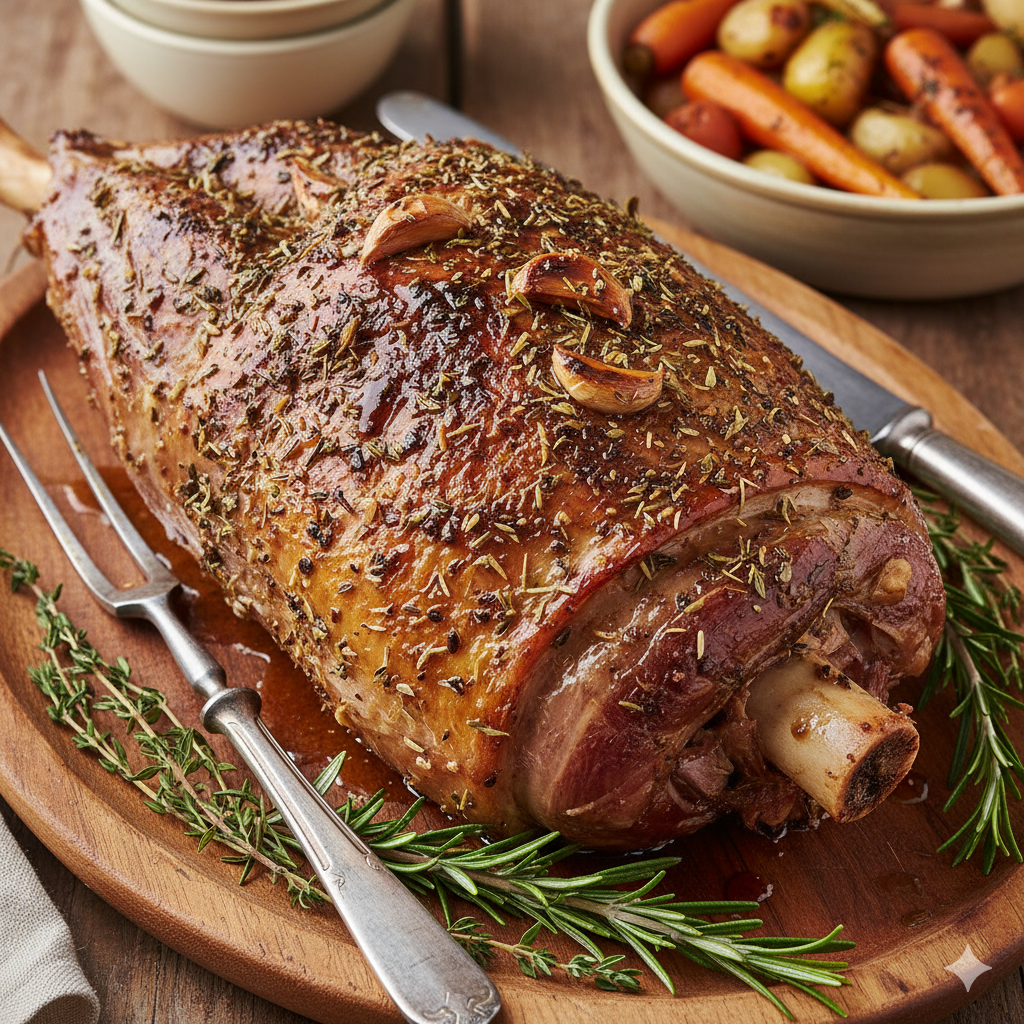
As a gut health dietitian, I believe that the holiday table should be inclusive, delicious, and, most importantly, supportive of your digestive wellness. This belief is at the heart of my mission, and it’s exactly why I developed this recipe for Roasted Leg of Lamb with Herbs de Provence. This lamb recipe is even safe for those of you with IBS or sensitive stomachs.
This isn’t just any roast. It’s a tender, aromatic, and deeply satisfying centerpiece specifically designed to be one of the best protein sources for gut health. It leverages simple, gentle herbs and a slow-cooking method that breaks down proteins, making the final dish a nourishing joy for your entire system. This year, you can confidently carve into a main course that everyone at the table—especially your gut—will love.
Ready to claim your spot at the holiday table without the fear of feeling left out or uncomfortable? Let’s dive into the recipe that makes it possible.
Jump to RecipeRoasted Leg of Lamb with Herbs de Provence
Ingredients
Method
- Combine all dried herbs and fennel seeds in a small bowl.
- Crush slightly with fingers to release oils.
- Store extra in airtight container.
- Pat lamb dry with paper towels.
- If using garlic, make small slits in meat and insert garlic slices.
- Rub entire surface with olive oil.
- Combine salt, pepper, and 2 tablespoons Herbs de Provence.
- Massage herb mixture thoroughly into meat.
- Cover and refrigerate 4-12 hours.
- Remove lamb from refrigerator 2 hours before cooking.
- Preheat oven to 325°F (165°C).
- Place lamb on rack in roasting pan.
- Squeeze one lemon over lamb.
- Add bone broth, fresh herb sprigs, and remaining lemon (quartered) to pan.
- Roast for about 25 minutes per pound for medium-rare (internal temperature 135°F/57°C).
- Rest covered with foil for 20-30 minutes before carving.
- – Rare: 125°F (52°C)
- – Medium-rare: 135°F (57°C)
- – Medium: 145°F (63°C)
- – Well-done: 155°F (68°C)
The Gut Health Advantage: Feast Without Feeling Left Out
This recipe is more than just a beautifully roasted piece of meat—it’s a deliberate act of care for your digestive system. As a gut health dietitian, I specifically chose these ingredients and techniques to ensure maximum flavor with minimal digestive distress.
1. The Power of Grass-Fed Lamb and Preparation
We start with grass-fed lamb, which is naturally leaner and provides a superior profile of healthy fats compared to grain-fed meat. More importantly, the long marination time and slow cooking method are key for digestibility. Marinating breaks down some of the protein structure before cooking, while slow roasting yields a tender, easy-to-chew meat that your stomach won’t have to work overtime to process.
2. Herbs de Provence: The Anti-Bloating Blend
The homemade herb mixture is a targeted blend of anti-bloating and digestive support herbs.
- Fennel Seeds: Fennel is one of the most powerful natural carminatives, meaning it helps to relax the smooth muscles of the digestive tract, alleviating trapped gas and reducing bloating.
- Thyme, Rosemary, and Oregano: These herbs are not only rich in antioxidants but contain gentle anti-microbial properties that help support a balanced gut microbiome. They provide immense flavor without irritating the digestive tract like high-FODMAP aromatics (such as onion or excess garlic).
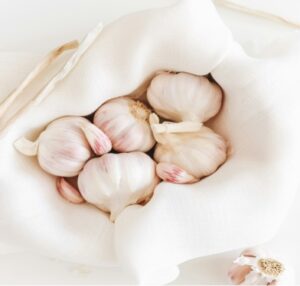
A Note on Garlic: While traditional recipes use a lot of garlic, this recipe offers it as an optional flavor booster. If you know you are sensitive to FODMAPs (a group of carbohydrates known to trigger IBS symptoms), you can simply omit the garlic and still achieve spectacular flavor from the herbs, ensuring this remains a low-FODMAP friendly main course. Yes, we’ve nailed how to season lamb without garlic and onion.
3. The Gut-Healing Base: Bone Broth
The use of bone broth in the roasting pan is a huge gut-friendly benefit. Bone broth is rich in collagen, gelatin, and amino acids like glutamine, which are essential building blocks for healing and maintaining the integrity of the gut lining. As the lamb cooks, these healing properties infuse into the pan juices, which you can then spoon over the finished slices, turning your holiday gravy into a digestive tonic.
This recipe allows you to participate in the holiday tradition of a grand roast without the worry. You get the flavor, the presentation, and the enjoyment, all while actively supporting your digestive wellness.
Don’t Let Gut Symptoms Rule Your Holidays
This Roasted Leg of Lamb is a perfect example of how small, smart adjustments—like using bone broth, incorporating anti-bloating herbs, and embracing slow-cooking methods—can transform a holiday meal into something truly nourishing.
No one should have to feel left out or be stuck eating bland food during the most festive time of the year. Your gut health journey is all about smart, delicious substitutions, not strict deprivation.
If you loved this recipe and are ready to apply these gut-friendly principles to your entire holiday menu—from appetizers and side dishes to desserts and cocktails—then I’ve created the ultimate resource for you.
My new guide, Eat, Drink & Feel Great: Holiday Recipes Your Gut Will Love, is your complete collection of delicious, dietitian-approved recipes guaranteed to minimize bloating and maximize holiday joy. Stop guessing which recipes will cause trouble and start celebrating with confidence.
Enjoy your feast!